Soil Types
Sand • Clay • Silty • Lateritic
Different soil types present unique challenges for stabilization.
For instance, gravel lacks the ability to retain water and stick together, while sand has limited nutrient content and is prone to washing away. Silt is difficult to compact due to its high density and spherical particles.
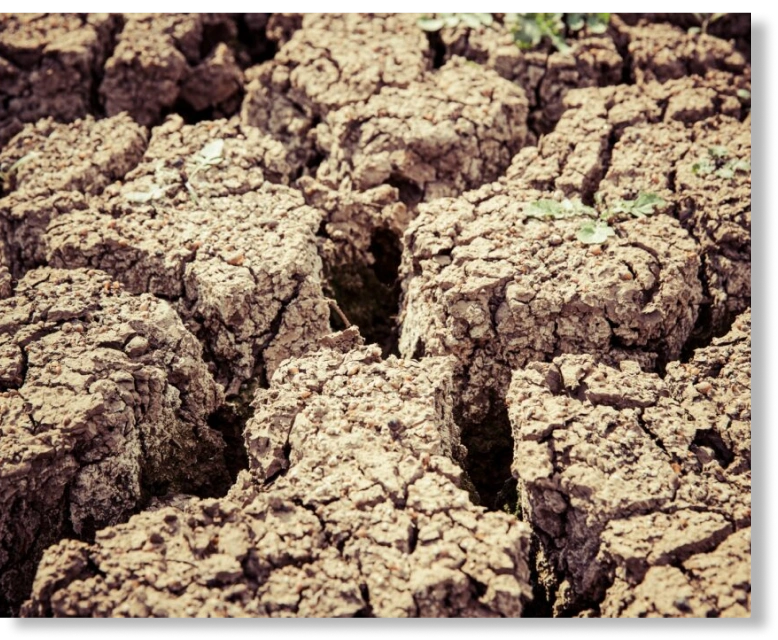
Clay, on the other hand, swells when wet and shrinks when dry, making it prone to cracks and dust formation.
Clay soils are known for their unique properties, which can make them challenging to work with.
One of the main issues with clay is that it swells when wet and shrinks when dry, making it prone to cracks.


Sand Soils
Sandy and clay-rich soils present significant challenges, particularly in environments with seasonal rainfall and occasional flash flooding.These soils are also affected by alternating wet and dry conditions, as well as extreme heat and cold. During the dry months, dust control becomes a major concern, while expansive clays can swell and shrink, creating additional ground stability issues.
Challenges
Low cohesion
Low permeability, and poor load-bearing capacity
Optimized Combinations
Binds loose sand particles – improving cohesion
Fills voids and reacts to form cementitious compounds – increasing strength
Enhances binding and reduces dust
Increase Permeability
Environmental Considiration
Binds loose sand particles, improving cohesion
Fills voids and reacts to form cementitious compounds, increasing strength
Enhances binding and reduces dust
Clay Soils
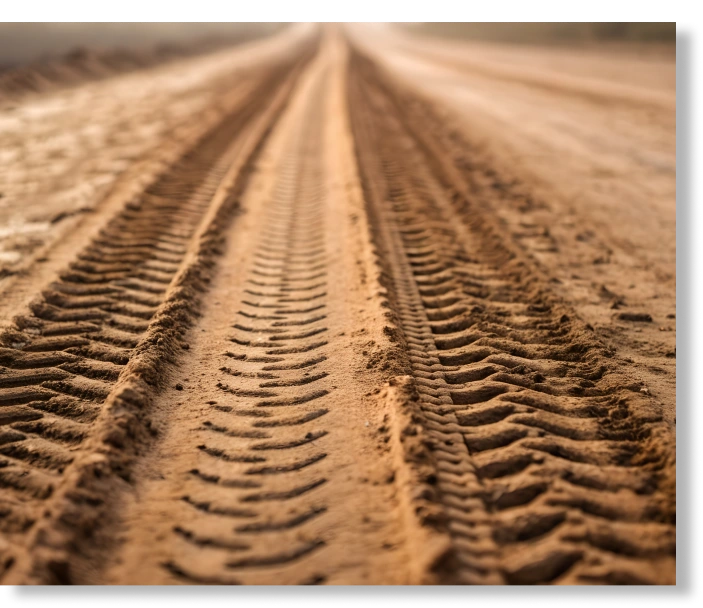
Clay soils present challenges due to their tendency to expand when wet and shrink when dry, which can lead to ground movement and structural instability. These soils are often affected by seasonal rainfall, poor drainage, and water retention, resulting in muddy conditions during wet periods and hard, cracked surfaces in dry conditions. Extreme temperature changes can further intensify these effects.
Challenges
High plasticity
Shrink-swell behaviour, and poor drainage
Optimized Combinations
Wet climates = water resistance
Dry climates = helps retain moisture and prevents dust
Reduce Plastic Index
Environmental Consideration
Reduces plasticity and improves cohesion
Enhances water retention and increase permeability, preventing cracking
Reacts with clay minerals to improve strength and durability
Acts as a surfactant to ensure even distribution of stabilizers
Silty Soils
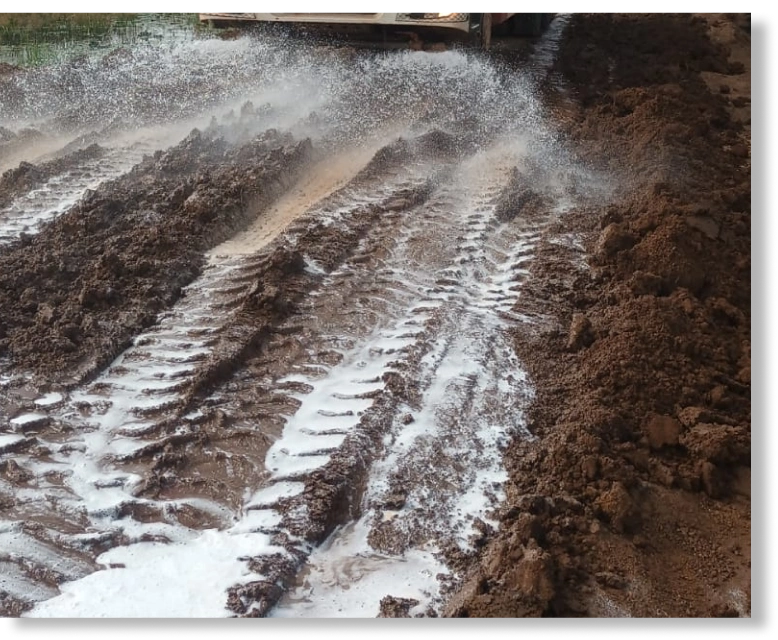
Silty soils present challenges due to their fine particles, which make them highly susceptible to erosion, especially during heavy rainfall or flooding. When wet, these soils can become soft and unstable, reducing load-bearing capacity, while dry conditions can lead to surface crusting and dust issues. Silty soils are also sensitive to seasonal moisture and temperature changes, which can result in settlement and reduced ground stability over time.
Challenges
Susceptible to erosion and moderate drainage issues
Optimized Combinations
Improves cohesion and reduces erosion
Increases strength and reduces compressibility
Reduces permeability and enhances water resistance
Environmental Consideration
In flood-prone areas, for water resistance
In arid regions, prevents desiccation cracks
Lateritic Soils
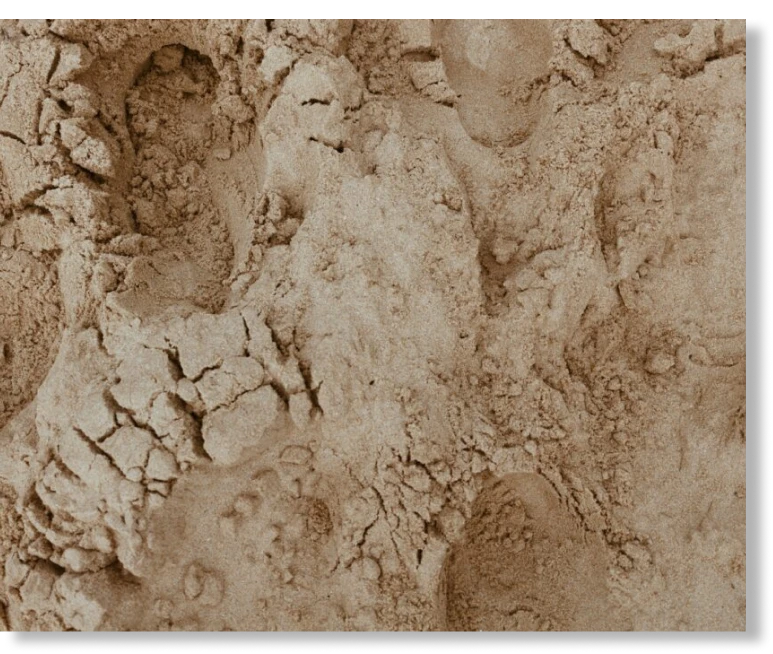
Lateritic soils present challenges due to their high iron and aluminum content, which can cause the soil to harden when exposed to air and moisture changes. While relatively stable when dry, lateritic soils can lose strength under prolonged wet conditions, making them vulnerable during seasonal rainfall. Temperature fluctuations and weathering can further affect their durability, leading to surface degradation and reduced load-bearing performance if not properly treated or stabilized.
Challenges
High iron and aluminium content – prone to hardening when dry
Optimized Combinations
Improves workability and reduces brittleness
Reacts with soil minerals to enhance strength
Even mixing and distribution of stabilizers
Environmental Consideration
In tropical climates, prevents rapid drying and cracking
In areas with heavy rainfall, improves durability
Reacts with clay minerals to improve strength and durability
Acts as a surfactant to ensure even distribution of stabilizers